
Quick answer: Choose the battery types permitted by each device, then decide how you will maintain complete ready sets. Rechargeable batteries need a compatible charger and a recharge opportunity; single-use batteries need an appropriate storage and replacement routine. Neither is reliable just because it is in a drawer.
Make a device-to-battery list
| Field | What to record |
|---|---|
| Device | Model and location |
| Battery requirement | Permitted type and number from the manual |
| Ready set | What is fitted and when it was checked |
| Spare set | A complete suitable set and its location |
| Charging | Compatible charger and available power, if applicable |
Battery shape alone does not establish compatibility. Use device and battery instructions rather than assuming any cell that fits is permitted.
Choose by the maintenance task
If you use and check a device regularly, a permitted rechargeable system may fit that routine. If the spare must work when recharging is unavailable, record how the complete ready set will remain available. Compare those tasks, not only a package’s capacity label.
Do not assign the same spare set to two devices that may need it simultaneously. Count complete sets, including the cells already in each device.
Keep sets consistent
Energizer advises against mixing old and new batteries or different types and makes. Replace or manage a multi-cell set according to the device instructions. Do not recharge single-use batteries or use a charger intended for another battery type.
Keep spare terminals protected from unintended contact, and use the specified storage conditions. Do not store loose cells among metal tools or keys.
Check the assembled device
Check polarity, closure and operation as its instructions permit. Label the ready-set check date and observe whether the device reports a fault or weak battery condition. A label alone does not establish charge: verify operation under an appropriate routine.
For long periods without use, follow the manufacturer’s instructions about removing cells or maintaining installed batteries. The right choice depends on the device’s standby role.
Dispose of the correct battery type correctly
EPA distinguishes battery chemistries and local disposal routes; lithium and many rechargeable batteries need special collection rather than household rubbish or municipal recycling bins. Follow the applicable local and manufacturer handling directions, especially for damaged batteries.
Apply the list to emergency lights and the weather radio. Keep it with the broader kit check routine.
Reference sources
Compare replaceable-battery and rechargeable lighting
Neither battery strategy is automatically better. Standard cells provide simple stored redundancy; rechargeable lights work well when the household maintains charging discipline. These curated examples make that tradeoff concrete without changing the safety guidance in this article.
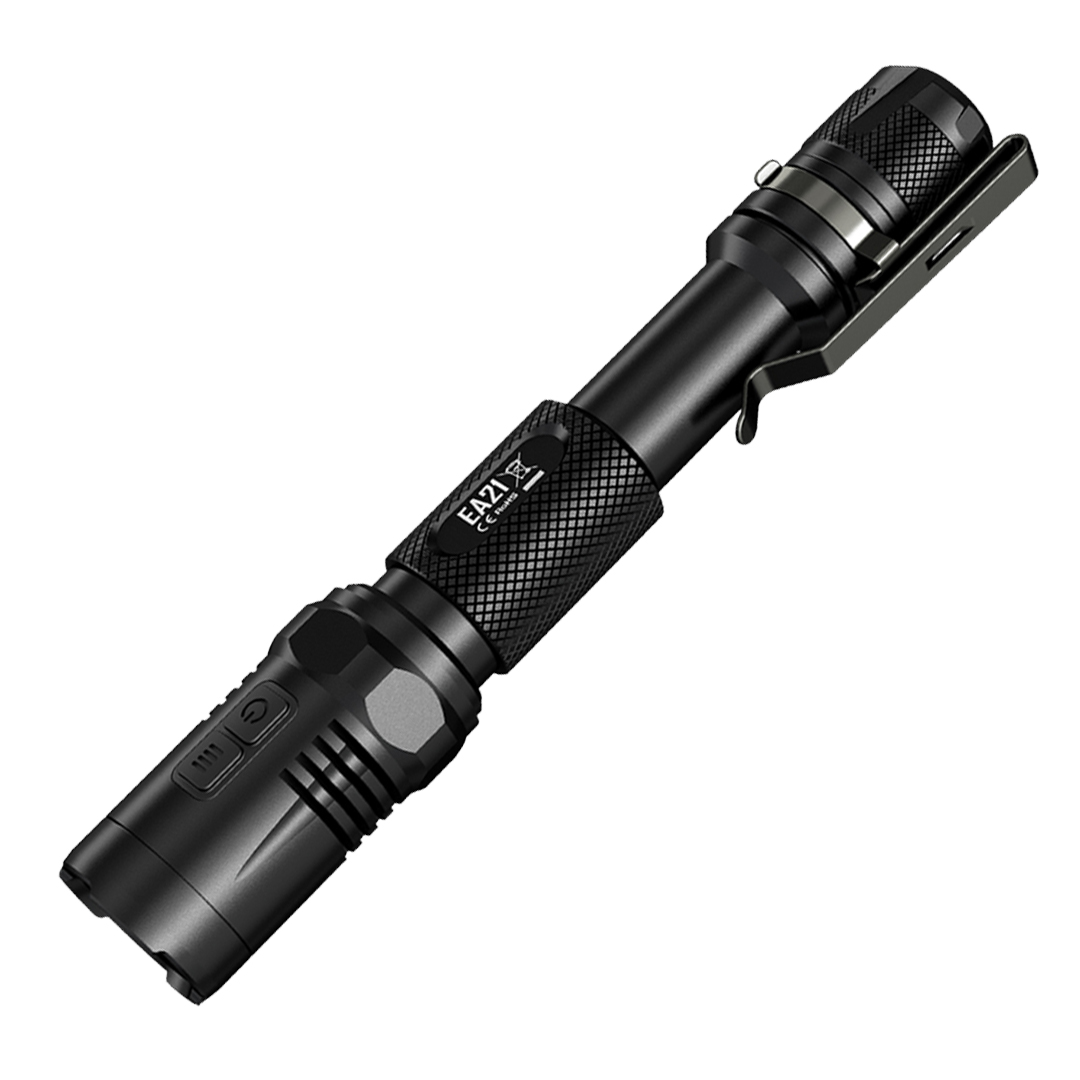
Best for Simple directional lighting with replaceable AA batteries.
NITECORE EA21 AA Flashlight
A conventional 2×AA flashlight gives the household a maintainable handheld light that complements headlamps and room lanterns without depending on a proprietary charging system.
Compare at NITECORE →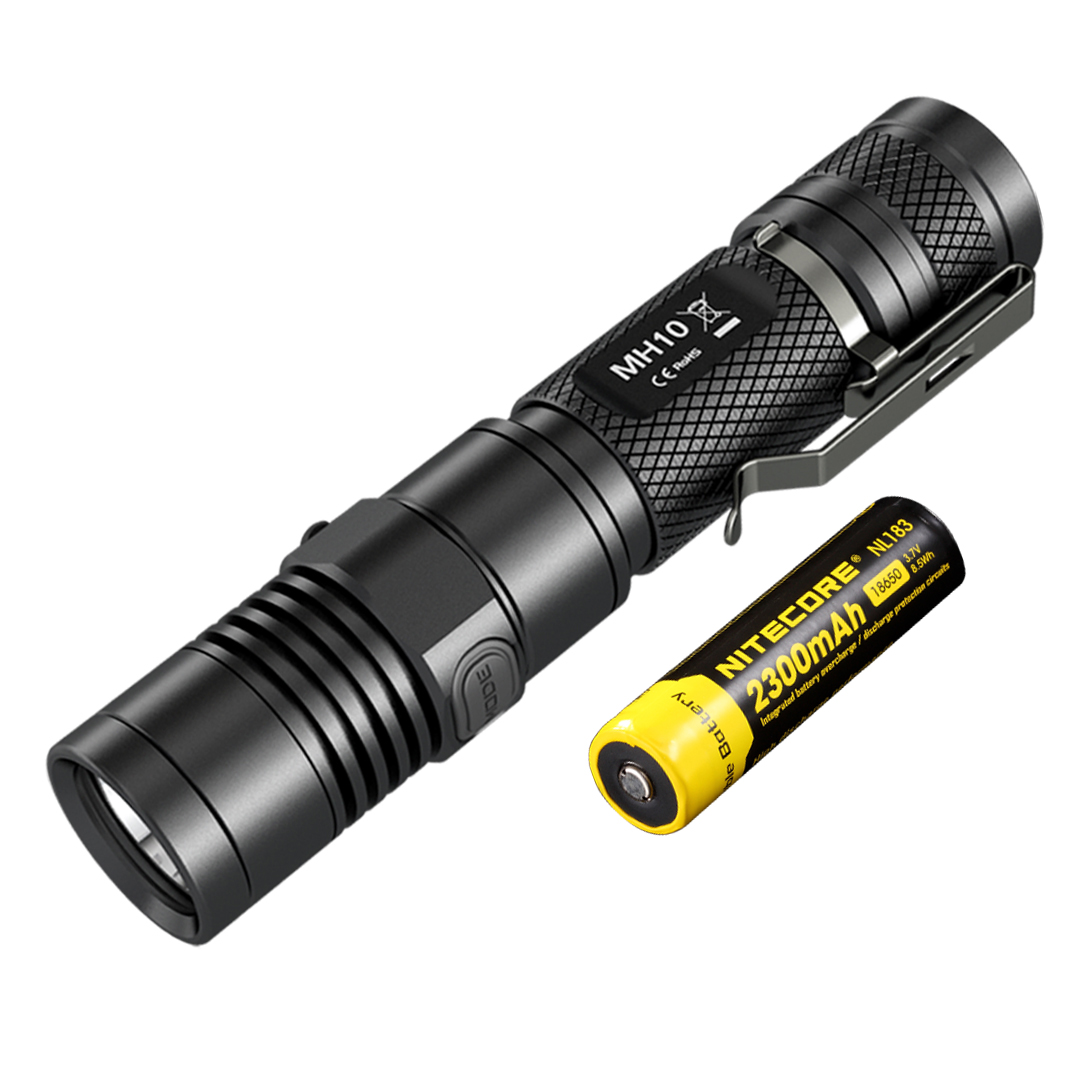
Best for Rechargeable handheld lighting when USB charging is already part of the outage plan.
NITECORE MH10 Rechargeable Flashlight
Included as the rechargeable handheld comparison point so readers can choose between stored-cell redundancy and a maintained rechargeable lighting layer based on how their household actually charges devices.
Compare at NITECORE →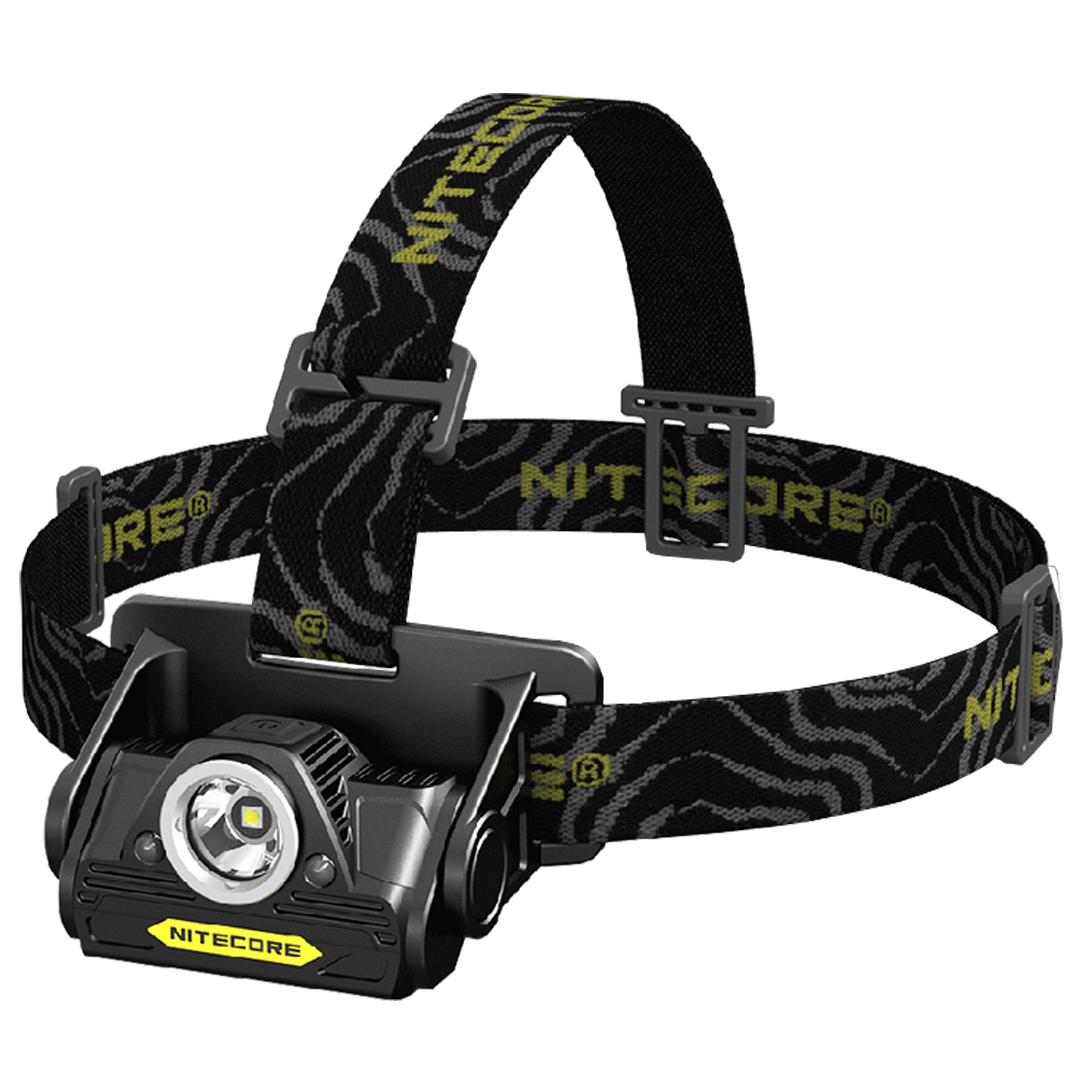
Best for Hands-free household outage tasks when standard AA battery redundancy matters.
NITECORE HA20 AA Headlamp
A straightforward 2×AA headlamp keeps both hands free for repairs, cooking and utility checks while fitting a battery format many households already store.
Compare at NITECORE →Affiliate links may earn PrepHearth a commission. Availability and prices can change. Choose by function, battery plan and maintainability rather than maximum-output marketing.