Foundational guide
Read the foundational guide →What should be in a home emergency kit?
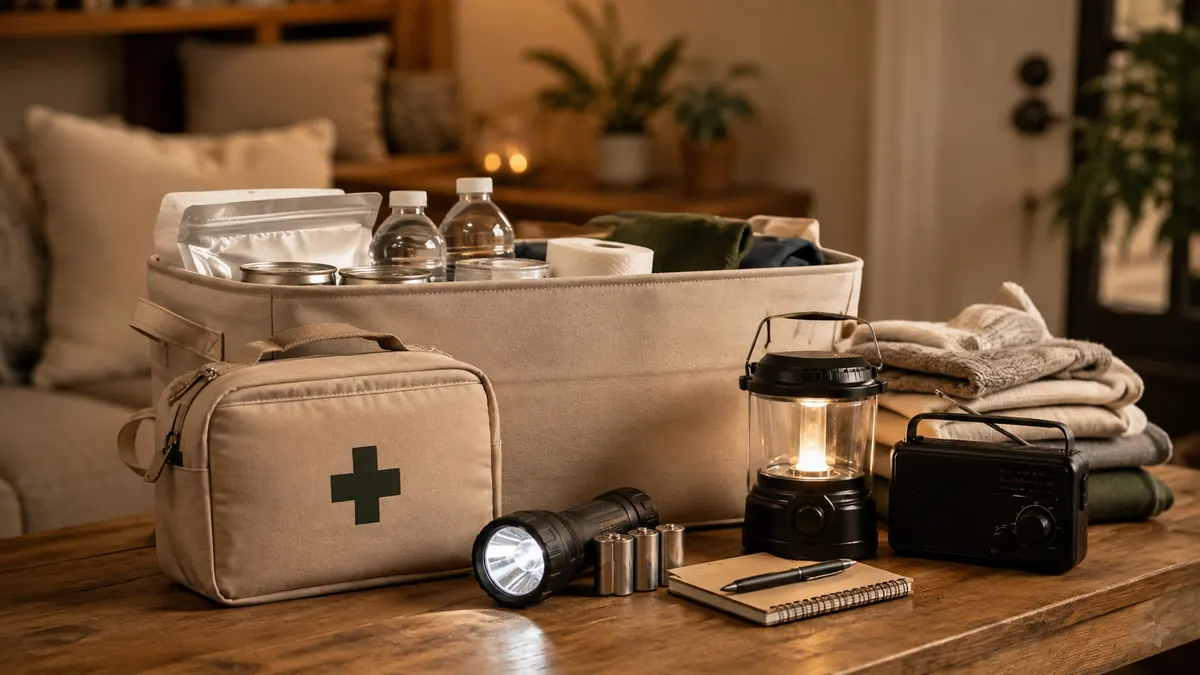
Start with the core household functions that need to keep working, then size the plan for your people, space and likely disruptions.
Clear, source-checked guidance for outages, water disruptions, severe weather and the everyday decisions that make a household more resilient.
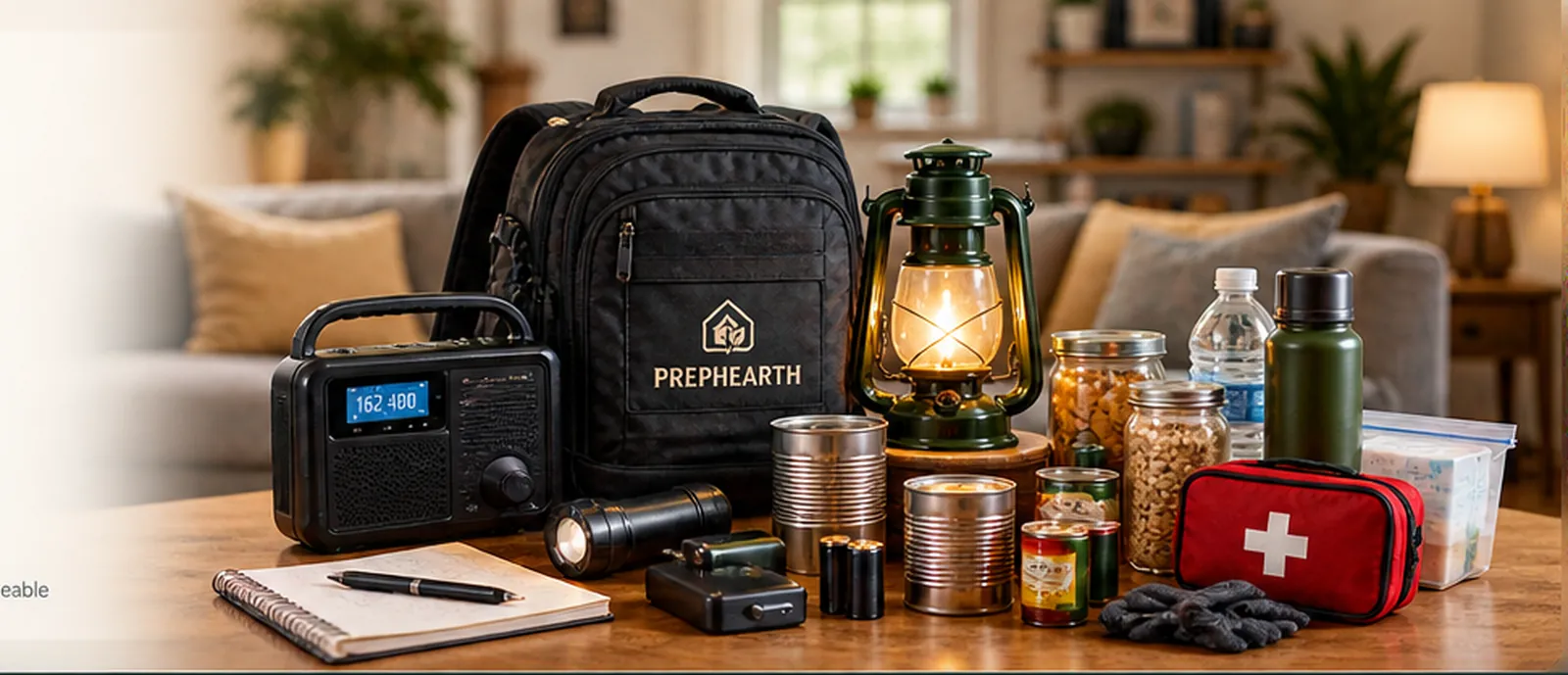
The strongest preparedness plans start with the disruption you need to handle, then work outward into water, food, power, sanitation and communication.
Start with the core household functions that need to keep working, then size the plan for your people, space and likely disruptions.
Lighting, charging, refrigeration decisions and realistic backup power.
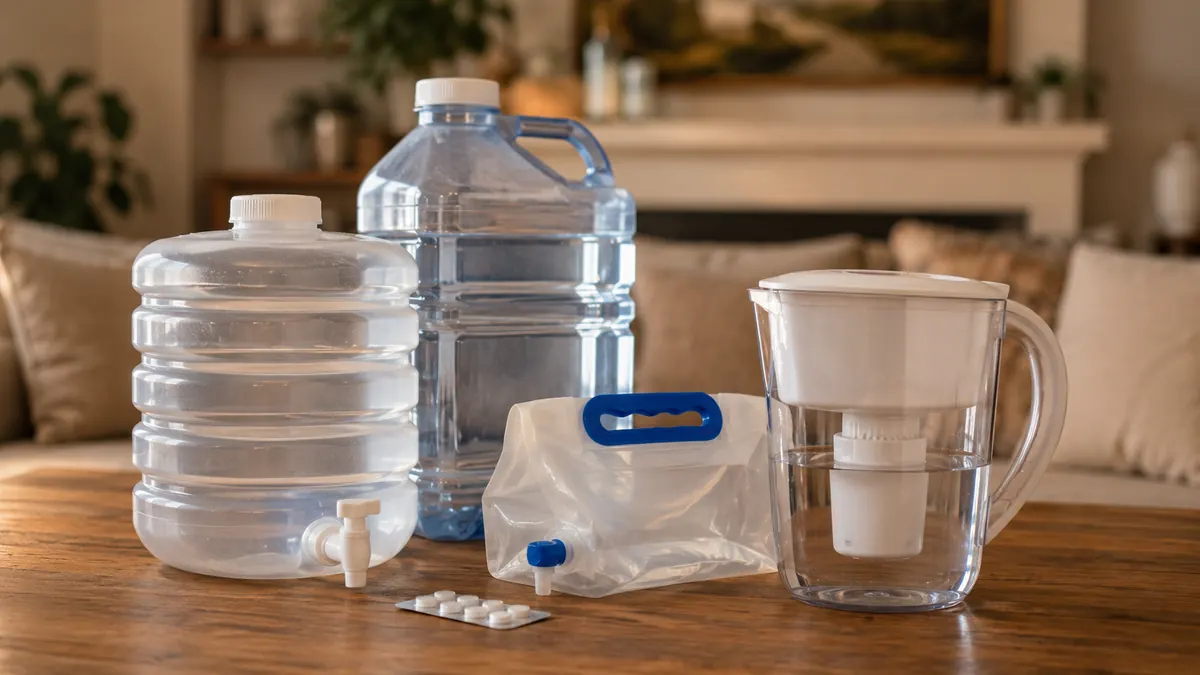
WaterHow much water to keep, where to store it and what treatment can actually do.
Buying guidesCurated lists built around household functions, not endless gear browsing.
Each topic hub connects the foundational plan to the specific problem you are trying to solve.
Core supplies, family planning and maintenance.
First actions, multi-day planning, lighting and charging.
Power banks, portable power stations and realistic runtime planning.
Storage amounts, containers, treatment and outage safety.
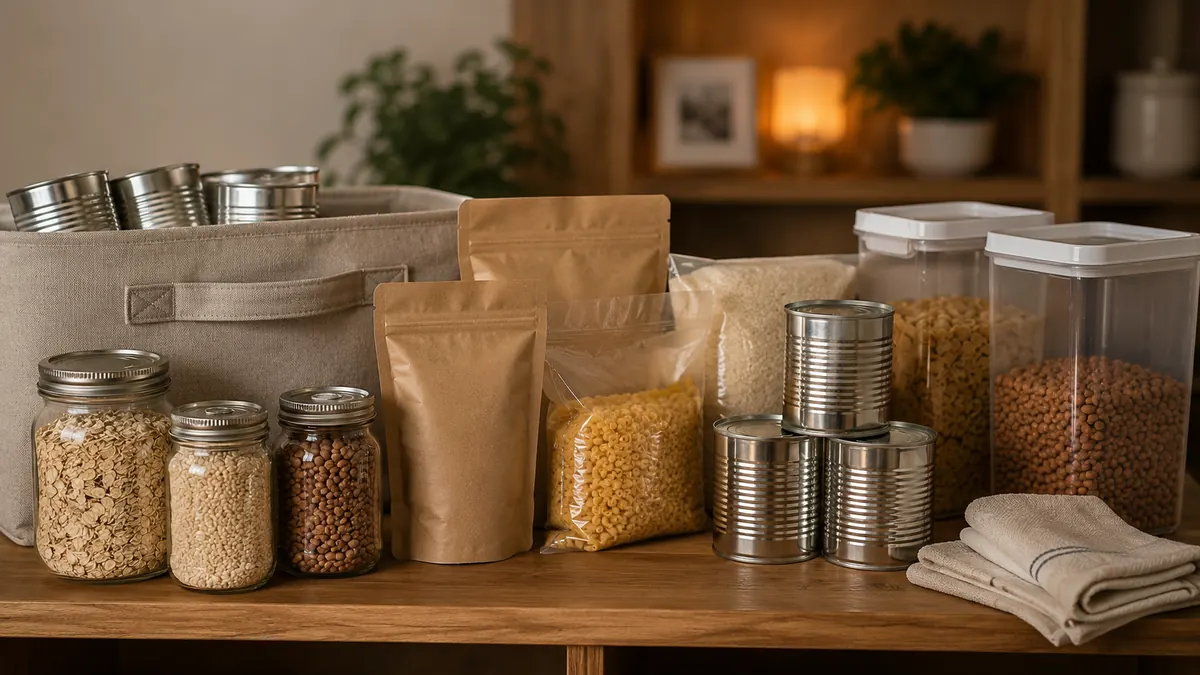
Pantry depth, food safety and no-power meal planning.
Hygiene, toilets and waste handling when utilities fail.
Hurricanes, tornadoes, winter storms and severe-weather preparation.
Apartments, pets, medications, cars and home-office continuity.
Our buying guides begin with what a household needs to accomplish, then point to practical ways to fill the gap.
A practical household gap-check for water, food, lighting, communication, first aid, sanitation, charging and household-specific needs.
Open practical buying guide →A practical outage pantry and no-power meal plan built around familiar shelf-stable food and safe cooking choices.
Open practical buying guide →Choose sanitation supplies for a permitted toilet and hygiene arrangement, including correct containment and confirmed disposal instructions.
Open practical buying guide →A household water plan built around stored water first, then safe storage and backup treatment.
Open practical buying guide →A portable evacuation layer focused on water, medication, documents, communication and household-specific essentials.
Open practical buying guide →Compare household filtration by the actual water problem, verified performance, installation requirements and replacement path.
Open practical buying guide →Recently reviewed guidance for the questions households are most likely to face before and during a disruption.
Compare portable filtration and disinfection by verified contaminant claims, product instructions, contact time and limits under actual water advisories.
Read guide →Map apartment-specific alert, exit, lift, water and shared-system dependencies, then establish access and manager coordination before a disruption.
Read guide →Integrate pets into household evacuation and shelter plans with confirmed destinations, backup caregivers, transport assignments and updated identification.
Read guide →Make an individual assistance plan covering accessible alerts, support contacts, care needs, transport and a safe practice of the actual route.
Read guide →Prepare infant feeding, hygiene, essential care, transport and destination arrangements with the actual feeding plan and safe-water requirements.
Read guide →Build a portable renter-owned emergency inventory and responsibility record covering supplies, landlord contacts, shared systems and move-ready documents.
Read guide →